Crafting Perfect Custom Fresh Produce Boxes: A Comprehensive Walkthrough
Designing specialized fruit and vegetable boxes calls for a deliberate approach. Professionals must assess environmental impact, functionality, and visual appeal. Choosing the suitable materials is crucial for preserving quality and supporting eco-friendly practices. Additionally, size and shape can greatly impact usability and shipping efficiency. Effective graphics strengthen company identity, while thorough assessment guarantees durability. Understanding these elements will discover key insights into producing remarkable container strategies that resonate to customers. What comes next is fundamental to reaching those objectives.
Picking the Ideal Resources for Custom Produce Boxes
When evaluating materials for custom produce boxes, it is important to examine both usefulness and eco-friendliness. The selection of material significantly influences the box's strength, weight, and capacity to protect the contents. Common materials feature corrugated cardboard, which offers strength and is environmentally recyclable, making it a favored choice for eco-conscious businesses. Compostable options, such as molded pulp or plant-based plastics, also support green practices while delivering adequate protection for delicate produce.
Moreover, dampness protection is indispensable for keeping quality consistent, causing some vendors to investigate treated materials or particular protective applications. The visual charm of the box deserves consideration, since branding and visual presentation can shape consumer perception. Ultimately, the best option should balance between maintaining product integrity, appealing to customers, and meeting ecological requirements, confirming that performance and sustainable practices are emphasized within the design process.
How to Pick Size and Shape for Performance?
When choosing the size and shape of custom produce boxes, thorough evaluation of produce measurements is crucial for proper storage. Additionally, attention to movement and transportation can affect the box design, guaranteeing ease of movement. Maximizing storage space utilization further enhances functionality, allowing for effective presentation and organization.
Assess Produce Dimensions Carefully
Determining the proper size and shape for produce boxes is important for functionality and efficiency. Careful measurement of produce measurements is necessary, as it makes sure that items fit firmly without extra room that might create damage during warehousing and delivery. Specialized boxes need to support various configurations, from soft berries to large vegetables, while maintaining robustness. Additionally, the length and depth of the boxes should support proper layering and inventory control, optimizing space in warehouse spaces. A quality-built box not only preserves the produce but also boosts market presentation for end customers. Ultimately, meticulous planning of dimensions aids in minimizing waste and improving customer journey in the product distribution.
Review Handling and Transport Methods
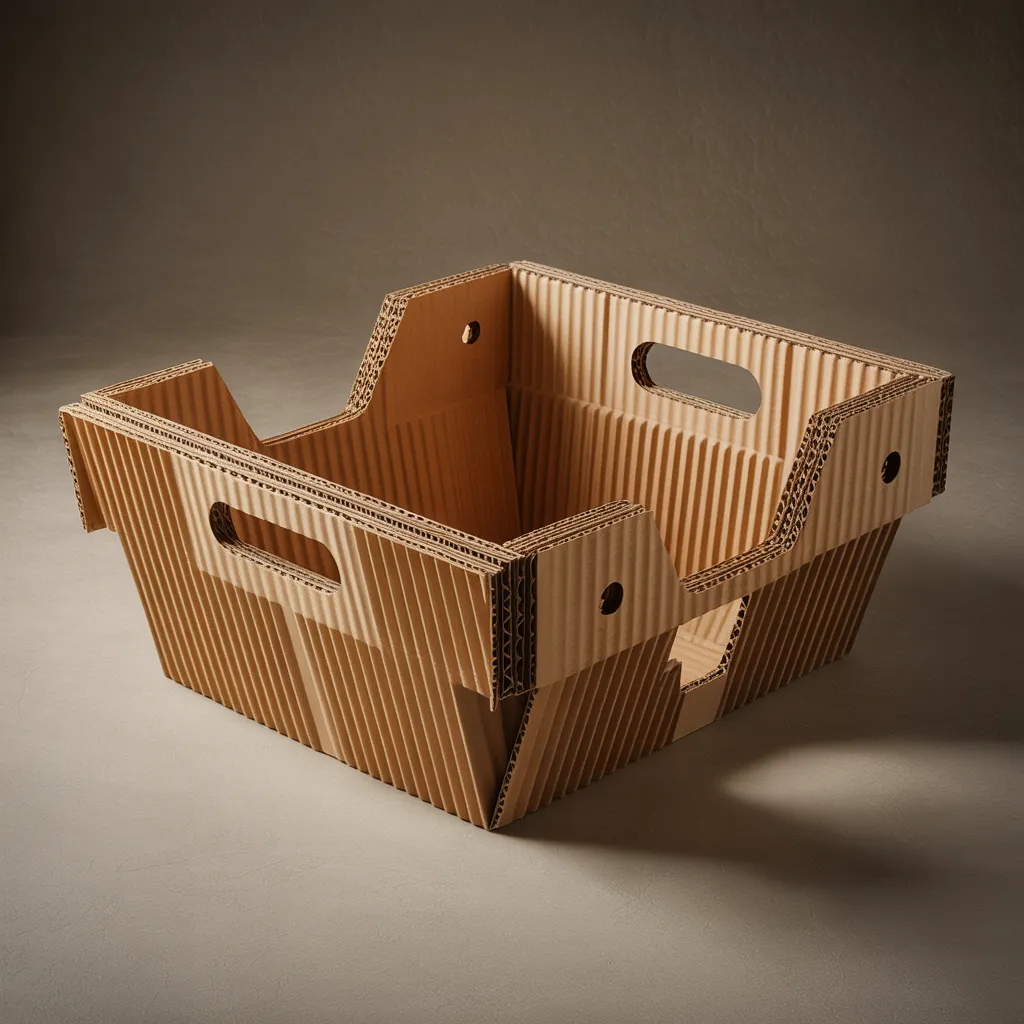
Handling and delivery aspects play a major role in defining the right size and shape of custom produce containers. The dimensions need to accommodate the items without unneeded space, which might lead to movement and harm in transit. Small boxes make simpler handling, while larger boxes might be necessary for bulkier items. Additionally, ergonomic design remains important; grip points or openings should get deliberately situated in order to allow for comfortable lifting plus carrying. The shape of the container also affects stacking with steadiness, guaranteeing which products stay secure. Ultimately, careful consideration regarding these components enhances the productivity in shipping, minimizes product loss, while supports the overall soundness of the fresh goods beginning at field to consumer.
Enhance Shelf Space Allocation
Optimizing shelf space usage depends on choosing the correct size and shape of custom produce boxes. Planners should evaluate the dimensions of the shelving units as well as the categories of crops being placed. Straight-edged boxes often enhance room optimization, permitting for more convenient organization and positioning. In contrast, unusual shapes can heighten design appeal but may cause unused space if not properly structured.
It's vital to assess the merchandise movement rate; slow-turning items might benefit from smaller, conveniently accessible containers. Furthermore, introducing flexible or customizable structures can accommodate multiple produce sizes while refining shelf layout. By centering on visual appeal combined with practicality, retailers can develop a practical and aesthetically pleasing presentation that boosts both product accessibility and visibility.
How to Design Graphics That Capture Interest?
Impactful graphics can convert a simple custom produce box into a remarkable display that attracts regard. To succeed this, creative professionals should start by choosing a color mix that reflects the freshness and radiance of the produce. Bright, visually striking colors can evoke emotions of freshness and health, driving consumers to take a closer look.
Strong typefaces remains equally important; clear and legible fonts can effectively communicate essential information while boosting visual appeal. In addition, employing high-quality images of the goods can create an immediate connection, showcasing the item's caliber and enticing prospective customers.
Furthermore, incorporating unique patterns or illustrations can help differentiate the brand in a crowded market. Consistency in design elements, such as logos and taglines, solidifies brand identity. Ultimately, a fusion of inventiveness and precision in graphic design can greatly elevate the power of custom produce boxes, making them stand out on shelves.
Eco-Friendly Practices for Custom Produce Box Packaging
An rising number of businesses are implementing environmentally sustainable methods for custom produce box packaging, acknowledging its significance in today's eco-aware market. These practices often include the use of decomposable materials, such as recycled paper and plant-based plastics, which minimize environmental impact. Companies are also concentrating on sustainable sourcing, guaranteeing that materials are obtained from responsibly managed forests or suppliers who emphasize environmental stewardship.
Also, many brands are selecting minimalist approaches that reduce waste while still successfully showcasing their products. This strategy not only attracts eco-minded consumers but also assists with cutting production costs. Moreover, businesses are progressively implementing streamlined manufacturing processes that limit energy consumption and waste generation. By integrating these sustainable practices, companies not only strengthen their brand image but also contribute positively to the planet, matching their operations with a sustainable future.
Testing Your Custom Produce Box Design
Assessing the format of tailored packaging containers is a key component in making sure they fulfill both visual and useful requirements. This approach commonly requires examining factors including toughness, measurements, and functionality. First, trial models must be constructed to assess the box's structural integrity, confirming it is able to resist movement and holding without weakening the contents.
Following this, usability assessments can be executed to measure how smoothly the boxes can be unfastened, fastened, and stacked. Comments from prospective users can be invaluable in this phase, delivering understanding of the box's practicality.
Furthermore, the design's visual appeal should be tested through consumer testing panels or questionnaires, measuring customer responses to branding elements, colors, and general appearance.
Ultimately, thorough testing enables designers to refine the box, ensuring it not only attracts customers but also adequately safeguards and presents the produce within, striking the right balance between form and function.
Advertising Your Bespoke Produce Boxes Successfully
Successful promotion of custom produce pertinent details boxes demands a strategic approach that emphasizes their distinctive advantages and value. Businesses should concentrate on determining their target audience, whether they are local farms, grocery stores, or individual consumers. Utilizing social media platforms can boost market visibility, displaying the boxes' design and practicality through compelling visuals and storytelling.
In addition, joining forces with regional personalities and growers can solidify credibility and amplify reach. Rolling out promotions or discounts during seasonal peaks can entice initial patrons and inspire repeat business.
Additionally, highlighting sustainability and eco-friendliness in promotional content can appeal to environmentally conscious consumers. Offering comprehensive details about the materials used and the benefits of custom packaging can better distinguish the offering in a competitive market.
Ultimately, a thorough marketing strategy that blends web-based and community-based efforts will effectively promote custom produce boxes, appealing to a diverse clientele and generating sales.
Often Requested Questions
What Fees Accompany Custom Produce Box Design?
Charges concerning custom produce box design comprise materials needed, print production, work hours, and shipping. Also, design consultation and order thresholds can shape overall expenses, bringing about different pricing structures based on unique needs and manufacturing scale.
What Time frame Is Needed to Generate Made-to-order Boxes?
Producing custom boxes usually takes two to six weeks. Factors that shape this timeline include intricacy of design, availability of materials, and manufacturing capacity, each of which can affect delivery schedules and lead times.
May I Acquire a Small Shipment of Made-to-Order Produce Boxes?
Yes, small quantities of tailored vegetable containers can typically be purchased. Many vendors offer base order requirements, allowing businesses or individuals to acquire customized packaging options without needing to commit to large amounts at first.
What Frequent Blunders Should You Dodge in Made-to-Order Box Design?
Common mistakes in custom box design include neglecting functionality, disregarding brand consistency, underestimating material quality, overlooking target audience preferences, and overlooking environmental impact. Each aspect is essential for effective packaging and customer satisfaction.
What Actions Should I Take to Verify My Boxes Are Food Safe?
To ensure boxes remain food-safe, you should choose materials approved for food contact, prevent harmful inks and adhesives, preserve cleanliness during production, and consistently monitor for compliance with health regulations and safety standards.